Forgotten Harvests: Preserving Ancient Terroirs
Tracing ancestral agricultural traditions from the rocky terraces of Mani to the volcanic slopes of Mount Etna.
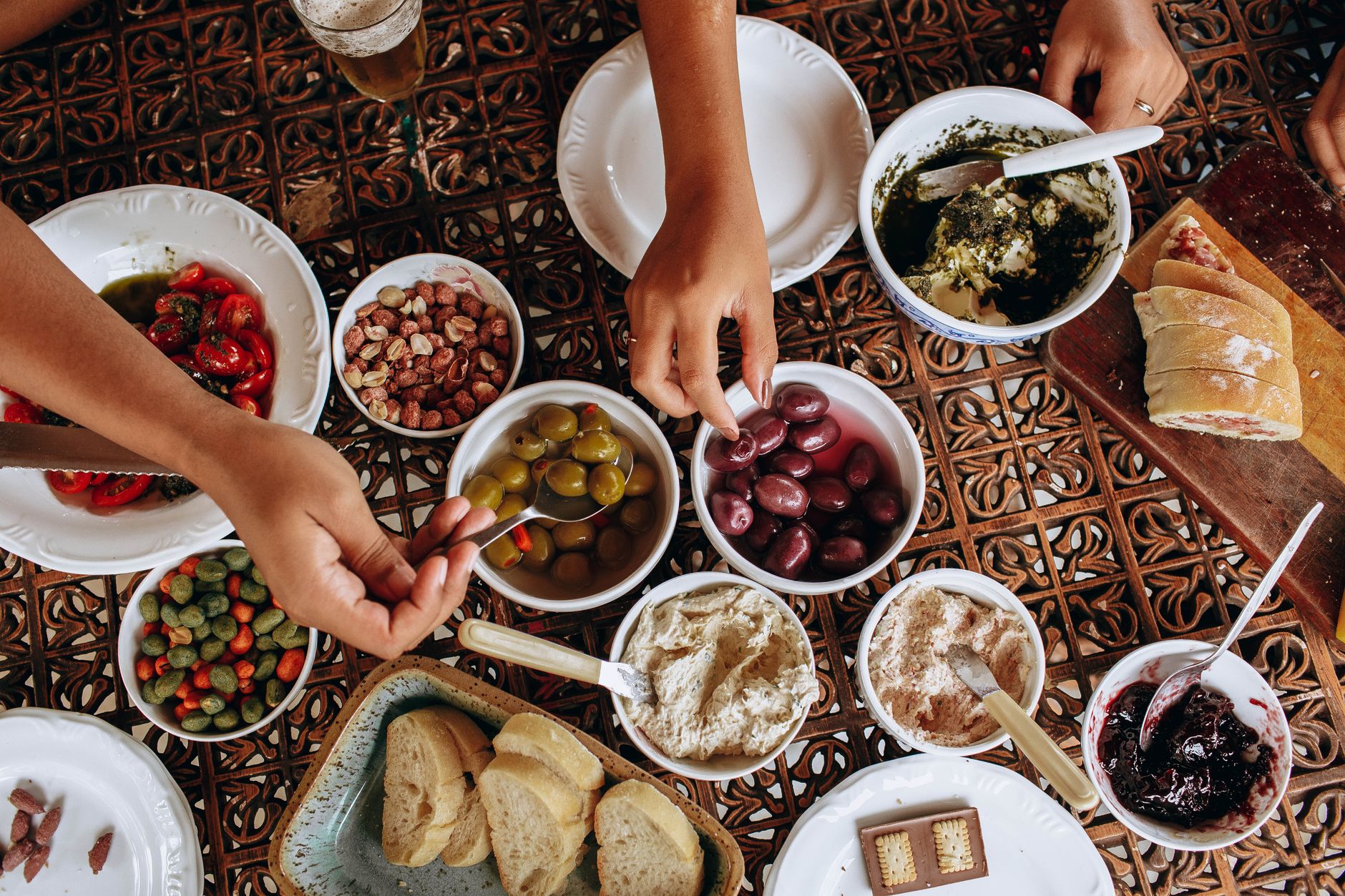
Industrial food production prioritizes shelf stability and cosmetic symmetry above nutrient density and regional character. In contrast, small clusters of regenerative farmers across Mediterranean micro-climates are demonstrating that resilience lies in historical memory.
The Thousand-Year-Old Olive Groves
In the Peloponnese, wild olive varieties grafted by Byzantine monks still bear fruit with polyphenol levels four times higher than commercial cultivars. Harvested strictly by hand using hemp cloths and pressed within three hours of picking, the resulting oil is peppery, bright green, and medicinal.
"When you consume food from ancestral seeds, you absorb the mineral memory of generations who cared for the soil before you."
Culinary Stewardship as Travel Objective
Experiencing these harvests requires slowing down. It means staying at farmstead manors where dinner is determined by what wild greens were foraged that afternoon, paired with natural wines fermented in buried terracotta amphorae. These are not merely meals; they are cultural archives.
Curate a Terroir Voyage
Connect with small-batch wine growers and heritage harvest retreats.